Meaning & Symbolism
How Couples Use Symbolism to Anchor Commitment
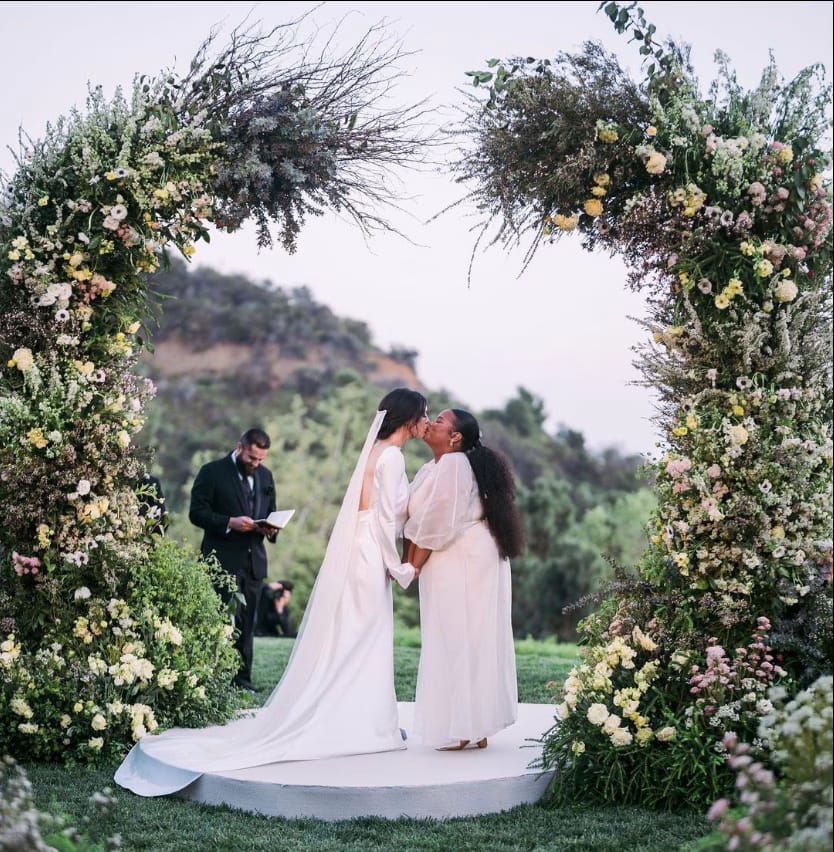
Across cultures and centuries, weddings have been shaped by symbolism – not to predict outcomes, but to mark intention. Symbols help couples pause, reflect, and give meaning to a moment that represents far more than a single day.
For many modern couples, symbolism isn’t about belief or superstition. It’s about language – a way of expressing values, continuity, hope, and care as two lives formally join.
This page brings together some of the most enduring forms of wedding symbolism, drawn from different traditions and cultures, and explores why they continue to resonate.
Why Symbolism Matters in Weddings
Major life transitions are often accompanied by ritual. Symbolism helps people:
- Acknowledge change
- Honour continuity with the past
- Create emotional grounding during uncertainty
- Mark commitment with intention rather than impulse
Whether subtle or explicit, symbolism allows couples to frame their wedding as a beginning with context, not just an event.
Something Old, New, Borrowed, and Blue
One of the most widely recognised wedding traditions, this English rhyme reflects balance rather than luck.
- Something old represents continuity and respect for history
- Something new reflects optimism and forward movement
- Something borrowed symbolises community and support
- Something blue has long been associated with constancy and trust
Across cultures, this same idea appears in different forms – blending heritage with renewal, and independence with belonging.
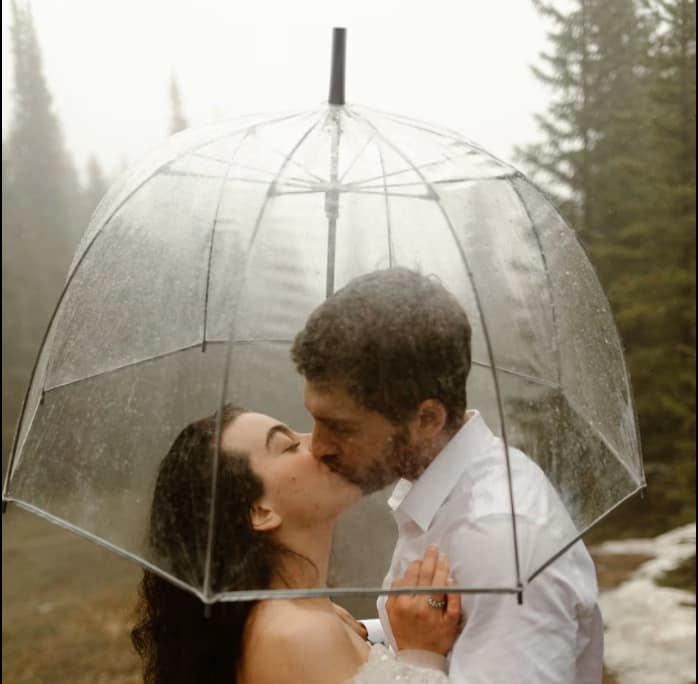
Rain on Your Wedding Day
Rain has been interpreted symbolically in many cultures as:
- Renewal and cleansing
- Fertility and abundance
- A reminder that life unfolds beyond control
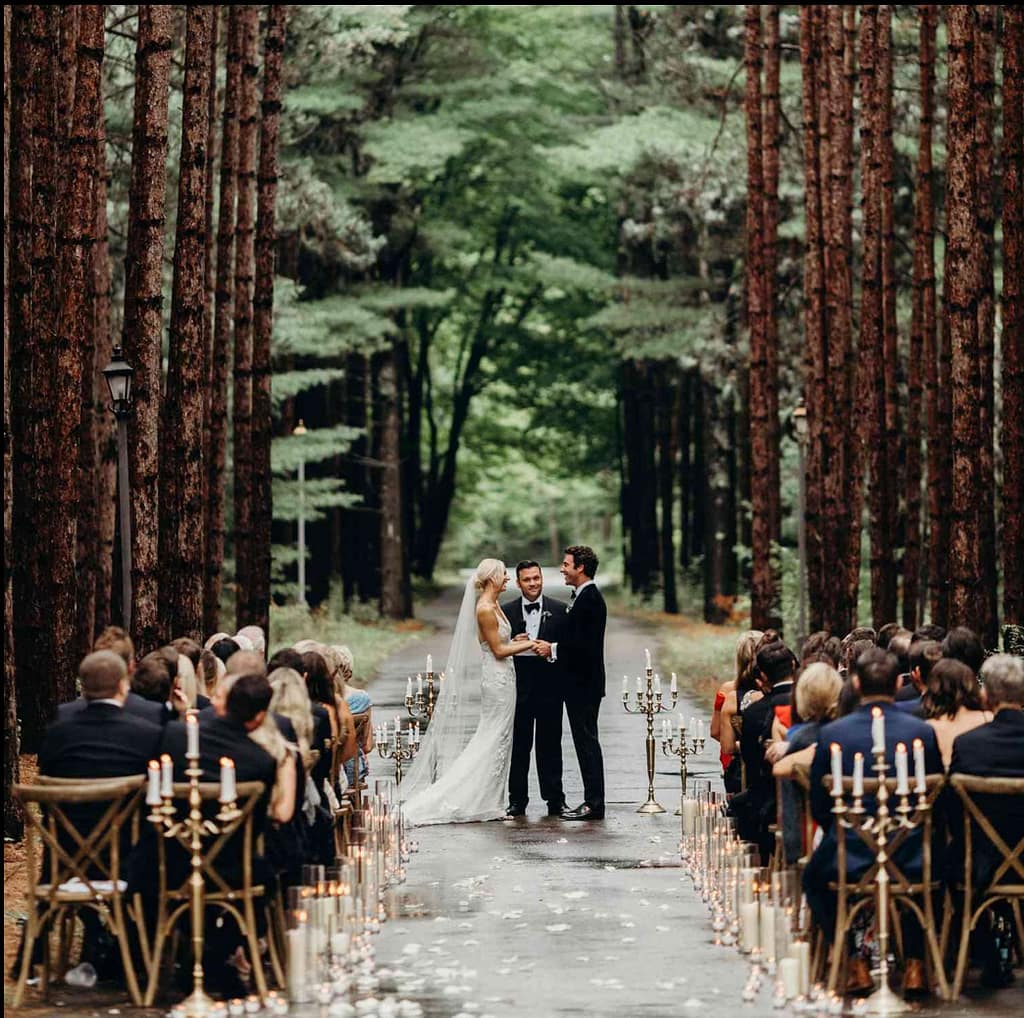
For couples planning outdoor weddings, rain symbolism often offers reassurance – reframing unpredictability as depth rather than disruption.
Rather than diminishing a wedding day, rain is often seen as softening it, drawing attention inward to presence, connection, and meaning.
(Explore this further on our Rain on Your Wedding Day page.)
Numbers, Years, and Cycles
Many couples are drawn to numbers when choosing a wedding year or date – not to seek certainty, but to understand themes.
Across cultures, numbers are used to describe:
- Beginnings and foundations
- Partnership and balance
- Growth, harmony, and intention
Some couples explore wedding numerology, while others look to broader calendar cycles as a way of contextualising their commitment.
(Explore this further on our Wedding Numerology page.)
Cultural Calendars and Timekeeping
Different cultures mark time in different ways, often focusing on cycles rather than linear progression.
The Chinese lunar calendar, for example, emphasises rhythm, energy, and balance – offering a lens through which couples reflect on the tone of a year rather than its outcome.
This approach resonates particularly with couples who:
- Are planning well ahead
- Value awareness over prediction
- See marriage as an evolving partnership
(Explore this further on our Chinese New Year & Weddings page.)
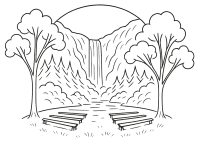
Landscape and Place as Symbol
Beyond objects and dates, place itself carries meaning.
Across cultures, natural features such as water, mountains, and orientation are used to symbolise:
- Stability and protection
- Flow and movement
- Openness and possibility
For some couples, the land on which they marry matters deeply – not just aesthetically, but symbolically. Landscape can act as a quiet witness to commitment, grounding celebration in something enduring.
(Our site-specific Symbolism, Space and Feng Shui page explores this in more depth.)
A Cross-Cultural Thread
What unites these traditions is not belief, but intention.
Across cultures, symbolism serves the same purpose:
- To slow the moment
- To acknowledge meaning
- To mark transition with care
Couples may choose one symbol, many, or none at all. What matters is not adherence, but resonance.
Choosing What Feels Meaningful
Symbolism isn’t a requirement.
It’s an option.
Some couples arrive confident and decisive, simply curious about context. Others are drawn to ritual as a way of grounding emotion. Both approaches are valid.
Meaning, when chosen consciously, doesn’t constrain – it supports.
Explore Further
- Wedding Numerology (2026–2027)
- Chinese New Year & Weddings (2026-2027)
- Rain on Your Wedding Day
- Feng Shui of the Waterfall Landscape